
Guitar, drums, or ukulele? How to choose the right instrument for your child

One of the most common questions parents ask when they first contact us is: "My child wants to play music — but which instrument should they start with?"
It is a great question, and the honest answer is: it depends on your child. At Capital Art Music in Macomb, Illinois, we offer lessons in electric guitar, acoustic guitar, bass, ukulele, drums, and keys — and each instrument suits a different kind of learner. Here is a guide to help you find the right fit.
Electric or acoustic guitar — for the curious explorer
Guitar is the most versatile instrument we teach. It works across every genre — rock, blues, jazz, pop, Latin, classical — and it is deeply satisfying because students start playing real songs relatively quickly. Electric guitar tends to appeal to kids who love rock and pop; acoustic suits those drawn to a more natural, unplugged sound. The foundational technique is the same for both, so switching later is easy.
Great for: kids who love a wide range of music and want flexibility.
Bass guitar — for the team player
Bass is the backbone of every band. It locks in with the drums and holds the music together, sitting right between rhythm and melody. Bass players tend to be patient, rhythmically inclined kids who find satisfaction in supporting the bigger picture rather than playing lead.
Great for: collaborative kids who love rhythm and groove.
Ukulele — the perfect starting point
The ukulele is an ideal first instrument, especially for younger children. With only four strings, a soft sound, and a small body that fits little hands perfectly, it is the most accessible instrument we offer. It is not a "lesser" instrument — it is a genuinely expressive one, and the skills transfer naturally to guitar later on.
Great for: young beginners (ages 5 and up) and kids who want an easy, fun entry point.
Drums — for the high-energy child
If your child is the one always tapping on the table at dinner, the answer might already be staring you in the face. Drums are physically engaging, rhythmically powerful, and immensely fun to learn. They also develop timing, coordination, and physical awareness in a way no other instrument does.
Great for: energetic, kinesthetic learners who move to the music.
Keys — for the detail-oriented learner
Keyboard and piano offer the clearest visual map of music theory. Notes, scales, and chords are literally laid out in front of you. Keys players tend to develop strong foundational music theory, which supports growth on any instrument they choose later in life.
Great for: analytical, patient kids who enjoy understanding how things work.
When in doubt, just ask
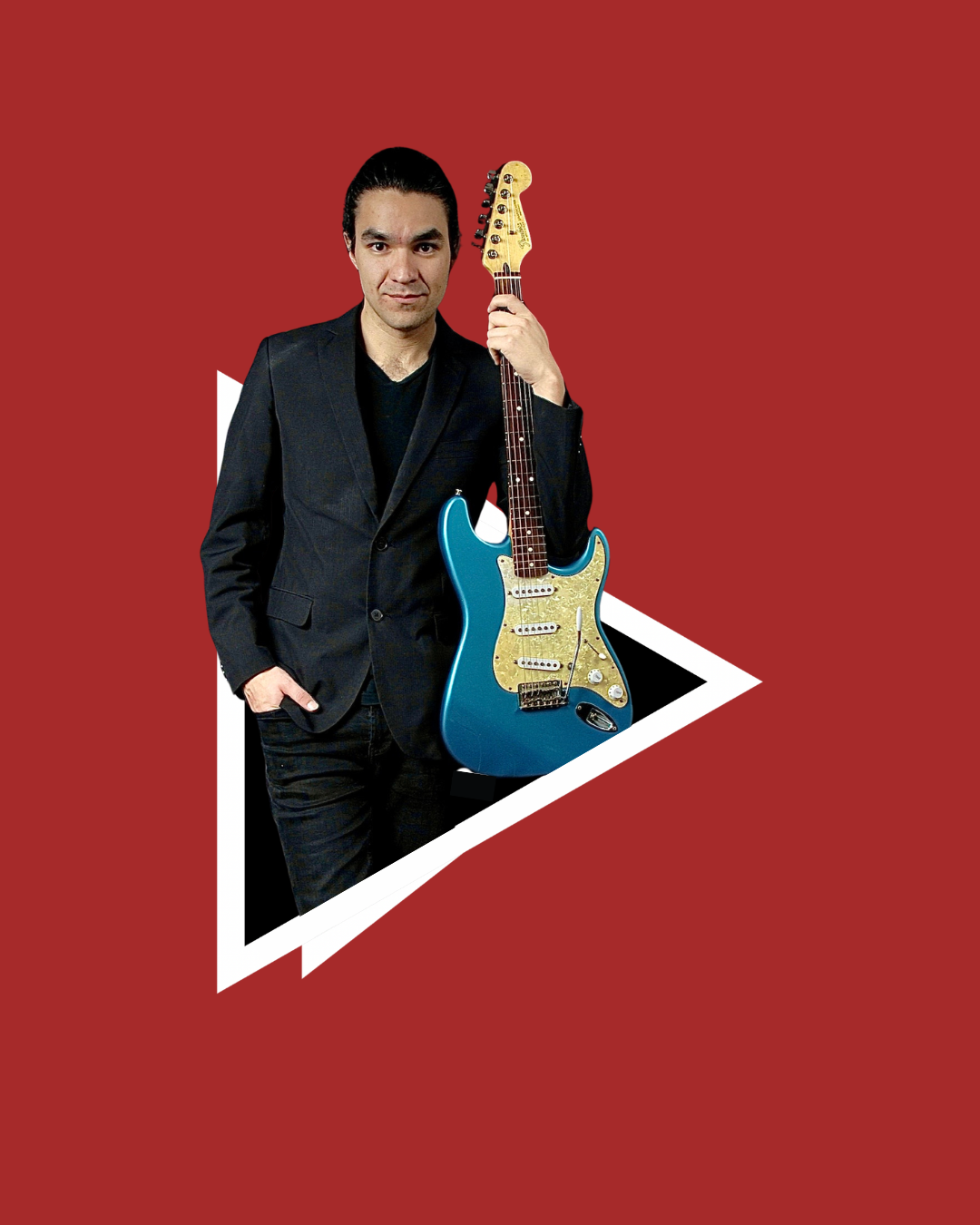
Not sure yet? That is completely normal. The best thing you can do is book a first lesson and let your child explore. Instructor Nico Barberan has years of experience helping students — and parents — find the right path. There is no wrong answer, only the next step forward.


Comments